Be yourself; Everyone else is already taken.
— Oscar Wilde.
This is the first post on my new blog. I’m just getting this new blog going, so stay tuned for more. Subscribe below to get notified when I post new updates.
Be yourself; Everyone else is already taken.
— Oscar Wilde.
This is the first post on my new blog. I’m just getting this new blog going, so stay tuned for more. Subscribe below to get notified when I post new updates.
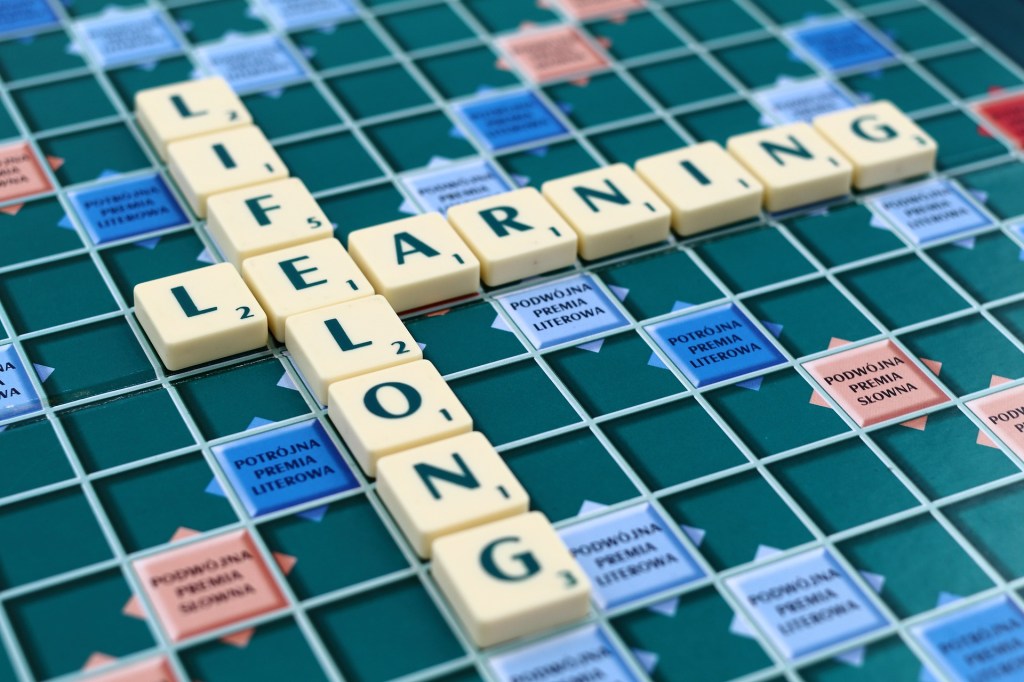
Of all the things I have learned this semester, the information that has stuck with me the most is that I need to be a lifelong learner. You are never too young or too old to learn something new. Lifelong learning is something that can be seen in blogging. Blogging does not discriminate age, race, size or gender. Blogging is just blogging. Most of the time, you don’t know what the person behind the computer screen looks like. Readers use the blog to learn and bloggers learn as they create a post. It is a continuing cycle of learning and creating. Personally, I am a bit of an introvert. I find comfort in writing rather than giving a presentation or speaking to large groups of people. This is something that I have learned from blogging as well. This article from Presence talks about how blogging gives students like me more opportunities to be successful in leadership positions.
Through beginning the busy semester on campus to switching quickly to online courses, I have found myself improving in a lot of areas. Blogging has been one of those areas of improvement for me. At the beginning of the semester, I was apprehensive about the blogging process. I had never done something like this before. Would people judge me for what I wrote? What if my writing isn’t as good as everyone else’s? I realized shortly after my first blog that there really is not a scale of good or bad when it comes to blogging. Sure, there can be a blog that is totally unappealing to read, but people are not going to judge you based on what you write as long as you are doing it authentically. My confidence in my writing has improved throughout this blogging process. While I still have a long way to go with improving my writing, I believe that practice makes perfect. Well… close enough to perfect.
I absolutely love blogging and it is my favorite creative outlet. Learning, writing and creating are all possibilities when it comes to blogging. I can see myself continuing to blog for the rest my life. Like I said above, you can blog at any age. Do not be surprised if you see a blog post up on my 85th birthday! Not only will I blog for my schoolwork, but I will also continue to blog for fun. Once I started blogging, I realized that there are many platforms that you can write about. Some examples of this would be sports, fashion, lifestyle, and education. I found that I can mix my love for blogging and my love for fashion into one. The fashion and lifestyle industry excites me and I want to continue to talk about it. That avenue of blogging will be strictly for fun. However, it is still a way that I choose to learn and be creative throughout my life.

Wow… Intimidating headline right? There is really no reason to worry. With the recent events surrounding the COVID-19 pandemic there is a high chance that most of us look like the girl on the right. There is confusion, stress, anxiety, anger, and a flood of other feelings will come along with the new uncertainties. College students may be experiencing a heavy-load of this stress and anxiety because school has been shut down due to the spreading virus. Do not worry, this entire blog post is not going to be so morbid. My intentions are for this to be an inspiration and insightful post to encourage people to push through this challenging time.
Good Colleges made a list of study tips that can be helpful to college students, including myself, during this transition to online courses. Use these tips and maybe you will see that switching online can be a little easier than it seemed.
Manage Time Carefully
An important part of starting something new is making sure that you have some sort of structure. Waking up each morning and setting goals for when you will complete a homework assignment or when you will watch a lecture can be a great way to manage your time. Time management is something that PR Practitioners will have to use throughout their career’s, so it is important that we get a head start now!
Take Notes
I have always been an avid note taker. I believe that this is also a way to make your online courses seem a bit more in-person and interactive. Taking notes can also help you retain the information rather than just watching videos and not remembering what the video said. Notes are also a great reference to look back on.
Connect with Others
Especially during this “self-quarantine” time I think this tip is crucial. It can be easy to stay in your PJs all day long and not speak to anyone. Not only can communicating with other students result in a happier mood, but communicating with other students back and forth can also be a way to help remember the material.
Beat Deadlines
So basically… Stay on top of your classes and try your best to not become behind. Once you are behind it is easier to find yourself not able to catch back up. This tip goes hand-in-hand with managing your time. It’s helpful for me to start a check-list at the beginning of the week and set goals for myself throughout the week. Not only does it feel good to check something off your long to-do list, but it also helps keep you organized.
Ultimately, we are all in this together. We are all a little stressed and anxious. We all have to transition to online in some shape or form. Parents are having to work from home, professors are having to put all their coursework online and students are having to learn virtually. My best advice is to embrace this time with open arms. Spending 24 hours of your day inside may not be the way that you envisioned your spring break. However, when this pandemic has settled down we won’t take for granted things like going to class and being face-to-face with a professor, going to the movies with friends or even sitting around the table at a restaurant with family.
When I think about why we are so susceptible to hoaxing and “fake news” the first answer that comes to my mind is… because we are HUMAN! Some of us more human than others…
“Fake news” is something that is spread via traditional media or social media. It is misinformation used to mislead or damage something or someone.
Let’s be honest, I don’t know why I believe some of the things I do. After reading this article I started to get a better understanding of that. Learning how people believe the things they do and why they believe those things is helpful when it comes to understanding why there is so much fake news in media. In this article, Psychology Today uses examples of how “fake news” plays a role in today’s politics.
There are thousands upon thousands of “fake news” examples that are on the web. You’re telling me we have been duped that many times? Crazy. An example that stood out to me was the example of a Milwaukee County Sheriff, David A. Clarke being accused of being a KKK member. This story can be used as an example of an echo chamber as well. Once one person says something it can be spread and perceived as true by many others. This specific article was shared by over 449,000 people on social media. Eventually, the story was proven to be wrong. However, how do you think this affected his reputation? When 449,000 people see false truths about you, it can be damaging. Personally, I would be mortified.
Dealing with these “fake news” or hoax situations may look different for every person, business and situation. We know I like to keep it real on here. Personally, my first reaction would be to freak out. However, I know the public relations side of me would handle the situation much more rationally. I would make sure that I did research on the misinformation. Is this source reliable? How many Twitter or Facebook followers does he/she have? Is that number enough to make a difference? These are all questions that I would evaluate before I made my decision on how to proceed. Next, I would develop a message to send to my target publics to make them aware of the misinformation. Although all of these steps seem easy, we have to take into account the fact that there are echo chambers and people do not always accept the truth once they have heard the false.
Eventually, I hope to have my own clients. In the situation that they fall victim to a viral hoax, I would advise them to take those same steps toward getting out the correct information. Research the person spreading the misinformation. Is the harmful content being viewed by just your target publics? Or even worse… a larger audience.
Even though it may be difficult when people spread misinformation or try to form an online hoax toward your organization, remember that the most important thing is stick to your mission. If you stay true to yourself and your publics, they will know who you truly are.

What is a blog?
A blog is a website that is updated regularly. This can be done by an individual or a group of people. However, we won’t use that technical definition here. When I think of blogging, I think of it as being a creative outlet, a resource and an education tool. Being able to write down your thoughts or ideas on a topic is a great way to express yourself and help others learn as well. I have always wanted to have a blog, but I have been intimidated on where to begin. Now, I have a reason to start. I am not going to lie, while the thought of blogging is exciting it does come with a bit of intimidation. As a new blogger, the beginning stages do not go unnoticed. However, I challenge new bloggers who might be intimidated (like me), to take a look at three questions that I created.
In digital public relations, we learned that blogging can be used as a digital PR tactic. There are many things that go into making a blog successful, educational and enjoyable to read. While it may seem easy to type down random thoughts that does not always lead to success. A blog needs to be infused with SEO keywords, careful use of words and short concise content. The audience plays a large role in what a blog is. Knowing the audience’s wants and needs is an important step in blogging.
In conclusion, I have to take a step back from my personal fears that my first blog brings and just write. Blogging should be both educational and fun. In this article , Magnet4blogging has created a list of 10 things that make blogging more fun. I know that I will adding these tips to my blog post next week. See you then!
This is an example post, originally published as part of Blogging University. Enroll in one of our ten programs, and start your blog right.
Hi there! I am Addison Trojanowski. I am currently a student at Texas Tech University and I am pursuing a Bachelor of Arts in Public Relations. Writing is something that I have always been interested in for two reasons:
The post can be short or long, a personal intro to your life or a bloggy mission statement, a manifesto for the future or a simple outline of your the types of things you hope to publish.
To help you get started, here are a few questions:
You’re not locked into any of this; one of the wonderful things about blogs is how they constantly evolve as we learn, grow, and interact with one another — but it’s good to know where and why you started, and articulating your goals may just give you a few other post ideas.
Can’t think how to get started? Just write the first thing that pops into your head. Anne Lamott, author of a book on writing we love, says that you need to give yourself permission to write a “crappy first draft”. Anne makes a great point — just start writing, and worry about editing it later.
When you’re ready to publish, give your post three to five tags that describe your blog’s focus — writing, photography, fiction, parenting, food, cars, movies, sports, whatever. These tags will help others who care about your topics find you in the Reader. Make sure one of the tags is “zerotohero,” so other new bloggers can find you, too.

 Addison Trojanowski